what to eat for healthy, radiant skin
I’ve been working as a holistic skin therapist for over 10 years, and I’ve learned that healthy skin rarely comes from just products or facial treatments.
While I deeply believe in the healing power of aromatherapy skincare, I’ve come to understand that our skin is a reflection of what’s happening beneath the surface, and how we respond to what’s around us. Everything is connected. Our lifestyle, environment, and dietary choices being key factors, alongside the products we use topically, of course.
This holistic perspective grounds how I approach skin health at calm down club. My treatments are designed to calm the nervous system and create spacwe for the body and mind to fully relax. When we feel safe and supported, we begin to truly soften and glow.
I recently chatted with my good client Shae Leung, a certified Holistic Nutritionist in Southern Ontario, to talk about one of the most important factors in skin health— what we eat.
We are what we eat!
Shae believes nutrition may be one of the most influential factors when it comes to skin health.
“Our skin is constantly repairing and rebuilding itself,” she says. “The foods we eat provide the building blocks for that process.”
Protein, healthy fats, vitamins, minerals, and adequate hydration all contribute to a healthy skin barrier, vital collagen production, wound healing, and overall skin resilience. On the other hand, skipping meals, dehydration, and relying heavily on processed foods can eventually show up on the skin.
Glowing skin starts within.
When asked about her favourite foods for vibrant skin, Shae emphasized variety and whole foods.
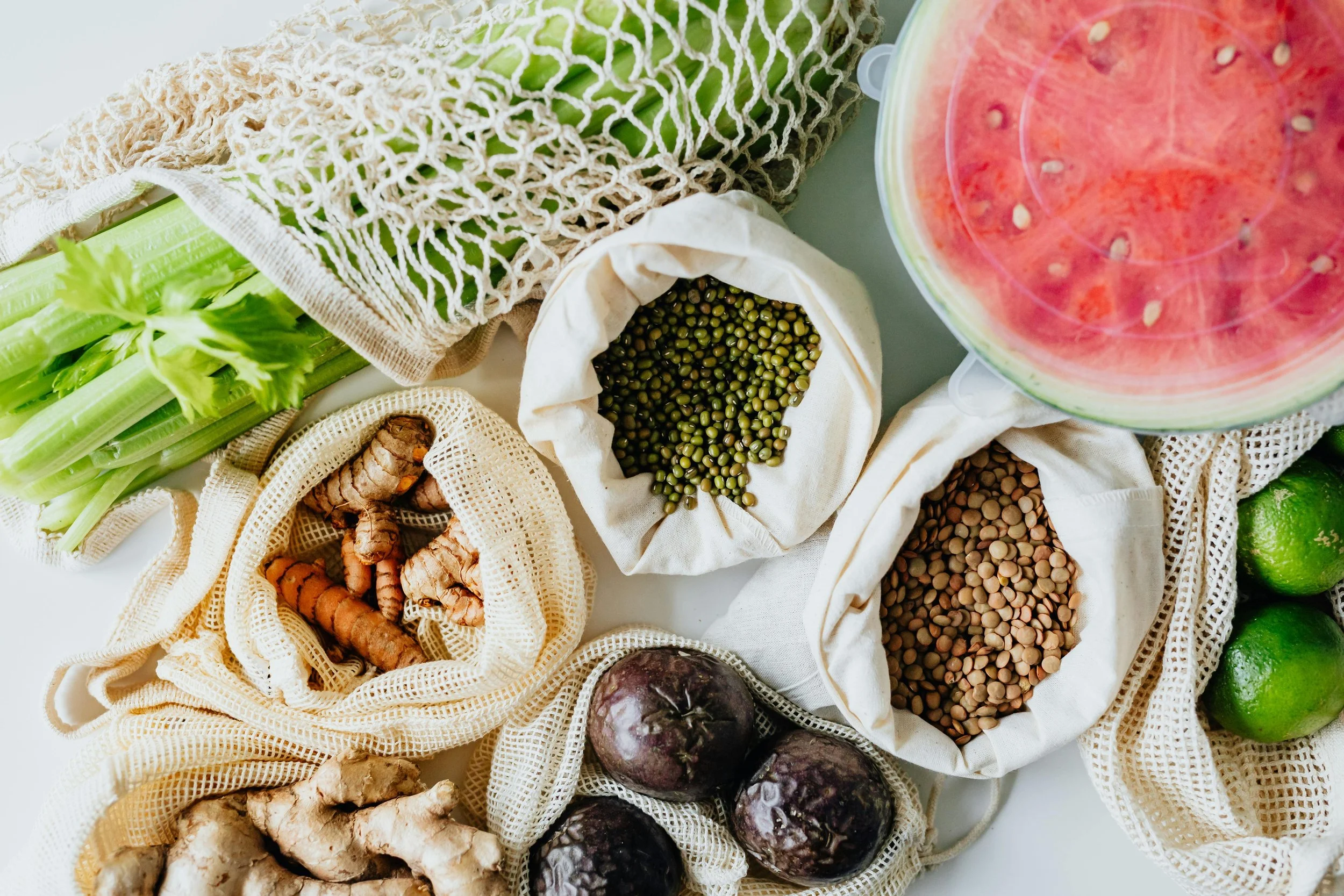
Hydrating foods such as cucumber, celery, lettuce, and melon can help support overall hydration levels. Vitamin C-rich foods like strawberries, kiwi, citrus fruits, and red peppers support collagen production, which helps maintain firmness and elasticity.
Healthy fats and omega-3-rich foods are also incredibly important! Avocado, olive oil, walnuts, flax seeds, grass-fed beef, and oily fish such as salmon, sardines, mackerel, anchovies, and herring.
Shae also highlighted cruciferous vegetables like broccoli, kale, Brussels sprouts, and red cabbage which support the body’s natural detoxification processes.
Lastly, she emphasized supporting the gut microbiome through probiotic-rich foods like kimchi, sauerkraut, kefir, and miso, alongside prebiotic foods such as garlic, onions, asparagus, apples, artichokes, and oats.
Trust your gut.
The gut-skin connection is fascinating and luckily, there’s growing research on this topic.
Shae notes that an imbalanced gut microbiome can contribute to inflammation throughout the body, leading to skin conditions like acne, rosacea, eczema, and psoriasis, which become difficult to manage if overlooked.
The gut also plays a critical role in nutrient absorption. Even the most nutrient-dense diet can’t fully support your skin if your digestive system isn’t properly absorbing those nutrients.
It’s another reminder that we need to focus on the basics, like foods to support a healthy gut microbiome.
How our hormones affect skin health.
Hormones play a significant role in our skin heath, from oil production to collagen synthesis.
Excess androgens can contribute to increased oil production and acne, while declining estrogen levels can lead to dryness, reduced elasticity, and thinner skin. Elevated cortisol (the body’s primary stress hormone) can increase inflammation and exacerbate conditions like acne, eczema, and psoriasis.
Chronic stress, living in ‘fight or flight’ mode, takes a huge toll on the mind and body. This absolutely shows up on our skin!
Supporting hormone balance often means supporting the foundations: nutrition, sleep, stress management, movement, and real, intentional pockets of rest in our day.
Is what we eat making our skin break out?
Everybody is unique, but Shae commonly sees that those who eat a diet high in ultra-processed foods, refined sugars, and refined carbohydrates tend to have more skin conditions or concerns.
She encourages consuming foods as close to their natural state as possible and prioritizing whole-food sources whenever available.
She also recommends paying attention to the types of fats being consumed. Olive oil, avocado oil, and coconut oil are generally preferred over heavily refined seed oils.
For some individuals, dairy may also play a role. If cow’s milk seems to trigger skin concerns, experimenting with sheep or goat dairy may be worth exploring.
While this may not come as a surprise, excessive alcohol consumption negatively impacts both moisture levels and liver function, which results in poor skin.
Spend a skin-supportive day with Shae
Shae’s approach is very practical and we love that! Healthy skin shouldn’t be difficult or overwhelming.
A skin-supportive day of eating isn’t about being perfect or hitting all the marks. Simply put, it could include:
A hydrating start to the day with lemon water and a pinch of sea salt
Protein-rich meals built around eggs, fish, legumes, or quality animal proteins
Plenty of colourful vegetables
Healthy fats from avocado, olive oil, nuts, and seeds
Fibre-rich foods that support digestion and blood sugar balance
Consistent hydration throughout the day
Rather than focusing on restriction, the emphasis is on adding nourishing foods that support the body’s natural processes.
The first change you should make?
If someone is struggling with their skin, Shae’s first recommendation is surprisingly simple:
Regulate your blood sugar!
Blood sugar fluctuations can increase inflammation and contribute to a variety of skin concerns, including acne, puffiness, uneven texture, and pigmentation.
One of her favourite tips is to never eat “naked carbs.”
In other words, pair carbohydrates with protein, healthy fats, or fibre whenever possible. This helps slow glucose spikes and creates more stable energy throughout the day.
Other supportive habits include:
Eating enough protein at each meal
Not drinking coffee on an empty stomach
Prioritizing sleep
Managing stress
Taking walks after meals
Eating consistently throughout the day
In a holistic approach, consistency isn’t about rigid rules or perfect habits. It’s about small, sustainable actions repeated over time. Taking a few deep breaths before meals. Drinking more water. Adding vegetables to your plate. Going to bed a little earlier. Taking a short walk after dinner or having a quick dance party in the kitchen.
These habits may seem small, but they create a real foundation for skin and overall health.
As a somatic facialist, I often remind my clients that our skin is constantly communicating with us.
While professional treatments, quality botanical skincare, and facial massage absolutely support healthy skin, they are only a piece of our beautiful puzzle.
The most radiant skin I’ve seen over the years hasn’t come from a 10-step skincare routine or chasing perfection. It comes from creating an environment where the body feels nourished, supported, rested, and safe.
If you’re on a journey toward healthier skin, consider looking beyond your skincare routine. Your gut, hormones, stress levels, sleep habits, and nutrition may have more to say than you think!
A special thank you to Shae Leung for sharing her knowledge and passion for holistic nutrition. Her insights are a beautiful reminder that true skin health starts from within.
Follow on socials @flourish.with.shae